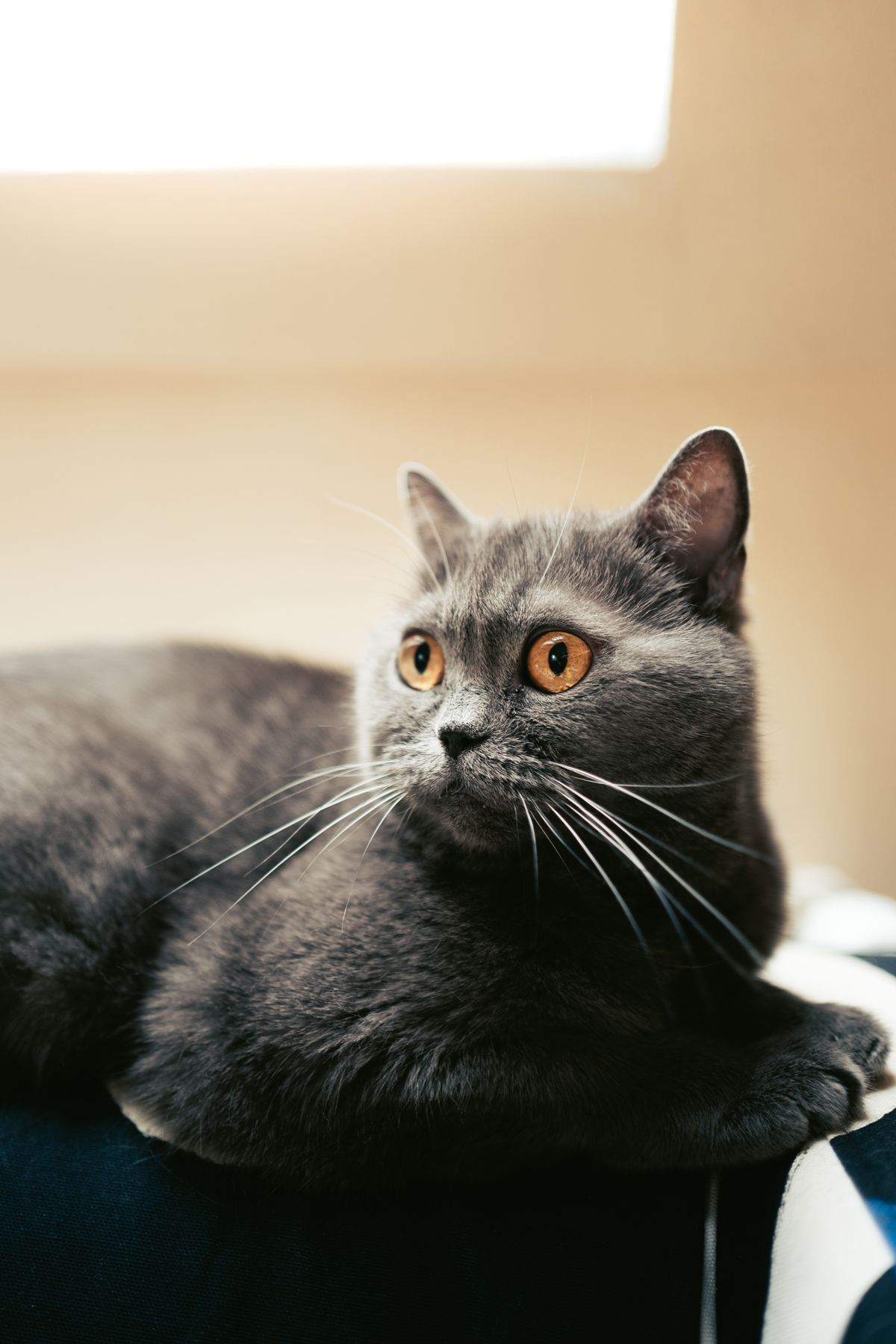
Last month, a friend sheepishly admitted she was considering putting her cat on a vegan diet. "It feels wrong to feed him meat when I don't eat it myself," she told me. I completely understood where she was coming from.
But as someone who's spent years researching homemade pet food and feline nutrition, I had to be honest with her: cats are obligate carnivores, and that single biological fact changes everything.
Let me walk you through what I've learned — the science, the risks, and the alternatives if you're looking for more ethical feeding options.
What 'Obligate Carnivore' Actually Means
Unlike dogs (who are facultative carnivores) or humans (omnivores), cats evolved to require nutrients found naturally only in animal tissue. This isn't a preference — it's a metabolic necessity hardwired into their DNA over millions of years.
Here's what makes cats fundamentally different from dogs and humans:
| Nutrient | Cats Need | Found Naturally In |
|---|---|---|
| Taurine | Essential (cannot synthesize) | Heart, liver, muscle meat |
| Arachidonic acid | Essential fatty acid | Animal fats only |
| Vitamin A (preformed) | Cannot convert from beta-carotene | Liver, fish oil |
| Vitamin B12 | Required from diet | Animal products exclusively |
| Vitamin D3 | Cannot use plant-based D2 effectively | Fish, liver, egg yolks |
Without these nutrients from animal sources, cats develop serious health problems — often within weeks to months.
Takeaway: A cat's body isn't designed to extract critical nutrients from plants. This isn't a training issue or a matter of getting used to it — it's biology.
What the Research Actually Shows
I dug into the peer-reviewed studies so you don't have to. Here's the uncomfortable truth.
A 2023 study published in the Journal of Animal Science analyzed vegan cat diets on the market and found that none of them met all AAFCO nutrient profiles without synthetic supplementation. That's a significant finding.
Another study from the University of cats fed vegan diets had lower taurine levels compared to cats on conventional diets, even when taurine was supplemented. The bioavailability question is real.
The British Veterinary Association has explicitly stated they do not recommend vegan diets for cats. The American Veterinary Medical Association echoes similar concerns.
Now, I want to be fair: some cats on supplemented vegan diets appear healthy in the short term. But short-term appearance of health ≠ long-term nutritional adequacy. Taurine deficiency, for example, can take months to manifest as dilated cardiomyopathy — a potentially fatal heart condition.
Common Arguments — and the Counterpoints
- "Synthetic supplements can replace animal nutrients" — In theory, yes. But absorption rates vary, and we don't have long-term studies proving safety over a cat's full lifespan (15-20 years).
- "My cat seems fine on a vegan diet" — Subclinical deficiencies are common. Blood work may not catch early-stage taurine depletion or organ stress until damage is done.
- "It's more ethical" — I deeply respect this motivation. But imposing human ethical frameworks on an animal with different biological needs raises its own ethical questions.
Takeaway: Current evidence doesn't support vegan diets as safe or appropriate for cats. The margin for error is simply too small.
What About Dogs? (A Quick Comparison)
I know many of you reading this also have dogs, and the conversation is very different for our canine companions.
| Factor | Cats | Dogs |
|---|---|---|
| Classification | Obligate carnivore | Facultative carnivore |
| Can synthesize taurine? | No | Yes (from cysteine/methionine) |
| Convert beta-carotene to Vitamin A? | No | Partially |
| Vegan diet viability | Not recommended | Possible with careful formulation |
If you're exploring plant-based options for your dog, that's a conversation worth having with a veterinary nutritionist. It's possible — it just requires meticulous attention to amino acid profiles, fatty acid balance, and regular blood monitoring.
Check out our blog archive for more on homemade dog nutrition and balanced plant-inclusive recipes.
Practical Alternatives for Ethically-Minded Cat Owners
If you're motivated by ethics, sustainability, or health concerns, there are meaningful ways to improve your cat's diet without eliminating animal protein:
- Choose higher-welfare meat sources — Look for free-range, pasture-raised, or humanely certified proteins. Brands using whole prey or sustainable fish make a real difference.
- Try insect-protein cat food — This is a growing space. Companies like Yora and Jiminy's use black soldier fly larvae, which has a dramatically lower environmental footprint than beef or chicken while meeting feline nutritional needs.
- Reduce waste with whole-prey feeding — Using organ meats, bones, and connective tissue that humans don't typically eat means less waste and more ethical sourcing.
- Support regenerative farms — Some suppliers raise animals using practices that actually restore soil health and sequester carbon.
I've also experimented with our recipe generator to create balanced homemade meals for my own cats using ethically sourced chicken and rabbit. The key is always working with a board-certified veterinary nutritionist to ensure completeness.
Takeaway: You can align your values with your cat's biological needs. The answer isn't vegan — it's thoughtful, ethical sourcing.
The Bottom Line
I never want to shame anyone for asking this question. The fact that you're researching your cat's diet this carefully already makes you a fantastic pet parent.
But the science is clear: cats need animal-based nutrients to thrive. A vegan diet, no matter how well-intentioned, puts your cat at risk for heart disease, vision loss, skin problems, and worse.
If you're committed to exploring alternative diets, please do it under veterinary supervision with regular blood panels every 3-6 months. And honestly? The most ethical choice is the one that keeps your cat healthy for the longest, happiest life possible.
Want to explore balanced homemade meals for your cat or dog? Try our recipe generator to create vet-reviewed, personalized meal plans based on your pet's breed, age, and health needs. And subscribe to our newsletter for weekly nutrition tips, new recipes, and the latest research — delivered straight to your inbox.
Have questions about your cat's specific dietary needs? Drop them in the comments or browse our full blog library for more evidence-based feeding guides.